What the Volta River Taught Me About Entrepreneurship and Life
Let me tell you the truth about entrepreneurship. Not as a fan; because “fan” comes from fanatic, and I don’t consider myself one. But as a devoted student of it. A zealous disciple, if you will. And like many things we admire from afar, entrepreneurship comes with myths.
Glamour. Highlight reels. Stories of overnight success. But there’s another side to it: one that doesn’t get nearly as much airtime.
To explain that side, let me take you on a journey.
The Volta River
Eight years ago, almost to the day, I found myself sitting on the banks of the Volta River in Ghana. It was hot. Not the pleasant, summery kind of heat, but the heavy, humid kind that clings to your skin. The kind that makes sweat drip from every pore. But the weather wasn’t the real problem.
I was.
I had just come off a series of brutal weeks. My business was struggling badly. Legal issues, governance headaches, and financial pressure. My reputation felt like it was on the line. I wasn’t sleeping. My mind was foggy. Anxiety attacks came out of nowhere. Anger bubbled up in ways I didn’t recognize. If you’ve ever felt down: heartbroken, rejected, overwhelmed – take that feeling and multiply it by ten. That’s where I was.
Sitting next to me was my mentor. Let’s call him Hansi. He looked at me and asked,
“Why such a long face? What’s your biggest challenge?”
I laughed bitterly. “Hansi, there are so many, I don’t even know where to start…” And I listed everything. Legal chaos. Financial uncertainty. Fear of losing control. Fear of failure. Fear of reputational damage. He listened patiently.
Then he asked a question that, at the time, felt almost offensive: “What’s something good about this?”
I stared at him. “What do you mean good? There’s nothing good about this.”
He didn’t flinch. “What is something you anticipate in a positive way?” I paused.
“…The only thing,” I admitted, “is that eventually it will be off my desk. I won’t have to deal with it anymore.” He smiled. “See? That’s something positive.”
I had to laugh.
And then we went for a swim.
Floating, Not Fighting
I wish I could tell you that the water magically refreshed me. It didn’t. But something else happened. As I floated in that lukewarm river, I stopped fighting for a moment. I stopped trying to control everything. And I started wondering: How did I even get here? Were my choices truly strategic? Or was there more serendipity in my life than I cared to admit?
There Are No Clear Crossroads
Growing up, I thought life worked like a map. You reach a crossroads. You evaluate your options. You choose your path. Simple. But reality is messier. Most of us stand at crossroads without signposts. We make decisions with incomplete information. We drift, we react, we adapt. In my case, I started out studying linguistics and literature. I had two clear desires: I wanted to speak multiple languages and I wanted to travel the world That was my “strategy.”
Did I achieve those things? Yes. Did I have a clear plan? Not at all. In fact, I spent the first 15 years of my career serving the wrong causes, or put differently, the wrong people. And yet, through a mix of curiosity, opportunity, and pure chance, I ended up founding an NGO supporting young entrepreneurs in underprivileged regions. Not by design. By serendipity.
A Lesson in Privilege
Working with entrepreneurs across the globe changed me. It made me realize something uncomfortable: Many of us are incredibly privileged, and we forget that. I met young men and women building businesses under conditions most of us would consider impossible:
- Limited rule of law
- Restricted freedom of speech
- No safety nets like bankruptcy protection
- Sometimes even resistance from their own families
And still, they build. Not unicorn startups. Not VC-backed hyperscalers. But small and medium-sized businesses—the true backbone of economies worldwide. They don’t have certainty. They don’t have guarantees. But they have something else. And over time, I realized that what they have can be distilled into a set of core competencies, not just for entrepreneurship, but for life itself. They are ALIVE.
Be ALIVE
Entrepreneurship isn’t just about building companies. It’s about building yourself. And, here are the five competencies that matter more than any business model or pitch deck:
A — Attitude: How You Enter the Water
Is the glass half full or half empty? This is actually the wrong question.
The real question is: What do you choose to see—and amplify? Your mind is an echo chamber. Especially as a founder, your attitude doesn’t just affect you—it shapes your entire environment. Ten years ago, I blamed everyone else when things went wrong. Today, I know better. Attitude is a choice. Every single day.
L — Learning Agility: Reading the Currents
Here’s the uncomfortable truth: If you’re good at something, it automatically means you’re terrible at almost everything else. That’s not an insult. That’s reality. The sooner you accept that, the sooner you can do something powerful: Surround yourself with people who know what you don’t. Stay curious. Stay humble. As the old idea goes: The more you know, the more you realize you don’t know. And that’s a strength—not a weakness.
I — Intentionality: Choosing Your Direction
Water flows downstream. But you don’t have to drift. Life is the sum of your choices—both active and passive. And here’s the catch: There is no such thing as a neutral choice. If you want to punch a hole through paper, you need two things:
- Focus
- Energy
Scattered effort achieves nothing. Intentional living requires saying “no”—a lot. Because time is limited.
Blink once: childhood.
Blink again: first love.
Blink again: your career, your family, your life.
It moves fast. We are, in the grand scheme of things, fleeting and nothing but a cosmic fart. So be intentional about how, and with whom, you spend your time.
V — Value Creation: Become Life-Giving Water
At its core, entrepreneurship comes from the idea of “entreprendre”, to undertake, to do, to create. So the question is simple: What value do you bring into the world? Not hype. Not noise. Real value. The kind that nourishes others. The kind that sustains. Like water.
E — Emotions: Embracing the Whitewater
We often pretend that business is rational. It’s not. It’s deeply human. Which means it’s emotional.
There will be calm waters.
There will be rapids.
There will be waterfalls.
Don’t fear them. Emotions aren’t a weakness, they’re part of the experience. And the truth is, we only ever scratch the surface of what others are going through. Therefore, be full of empathy.
Always.
We Need More Builders
I was tempted to call this framework “RIVER.” But it didn’t quite work. And honestly, I’m glad it didn’t—because the first word that came to mind was resilience. A word that’s been overused to the point of losing meaning. You can’t simply teach resilience. But you can cultivate the skills that make it possible. That’s what ALIVE is about.
Your Turn
This isn’t a secret formula. It’s not a guaranteed path to success. It’s not even a complete toolkit. It’s a perspective. A way of navigating uncertainty. So here’s your homework:
Create your own list. Define your own principles. Because what the world needs right now isn’t more spectators. It needs more builders. There are enough people tearing things down. We need people who create. Who contribute. Who care.
Back to the River
That day at the Volta River didn’t solve my problems. But it shifted something inside me. It reminded me that life isn’t about controlling every current. It’s about learning how to move with them. So take this gift of life you’ve been given, and be ALIVE.
- Create something meaningful.
- Nourish the people around you.
- Be the kind of force that gives more than it takes.
Because that is an idea worth spreading!
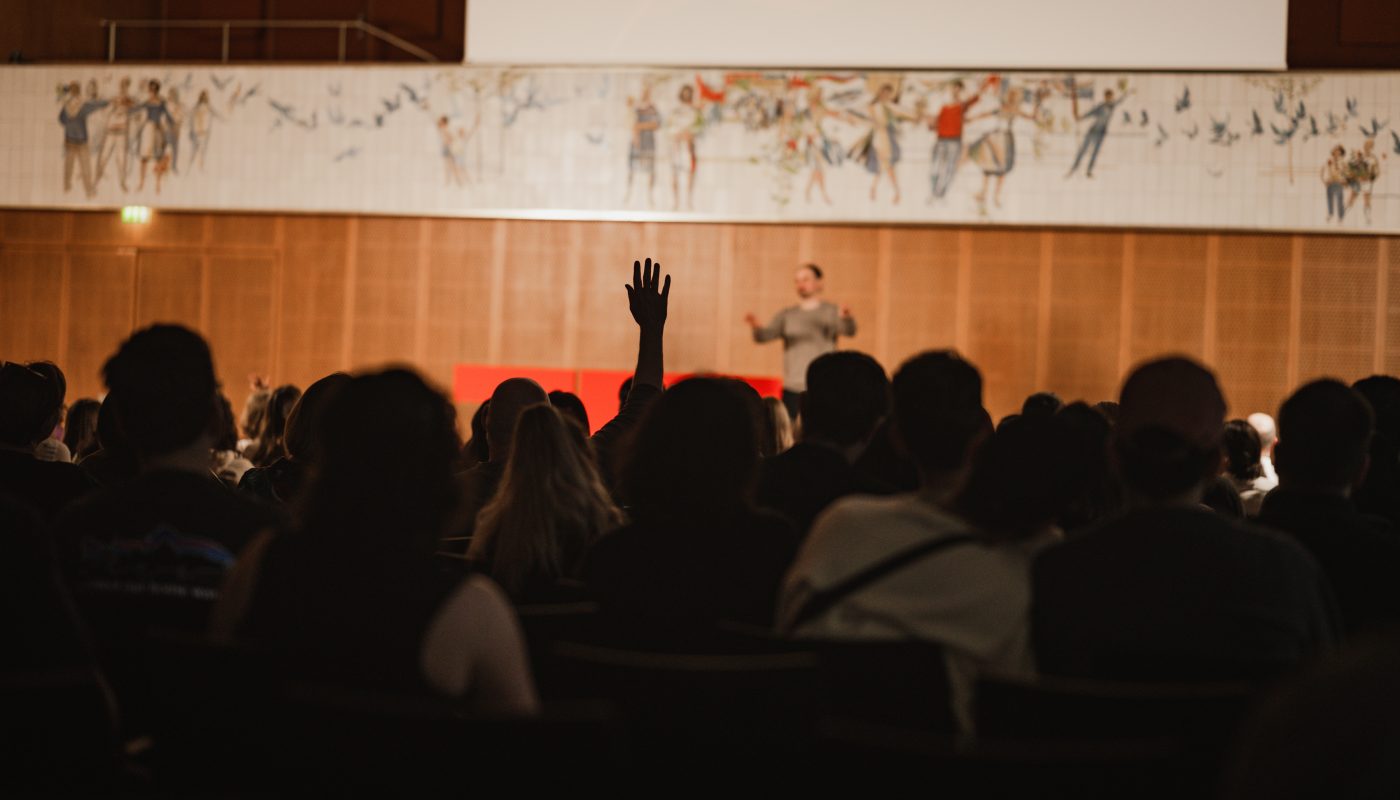
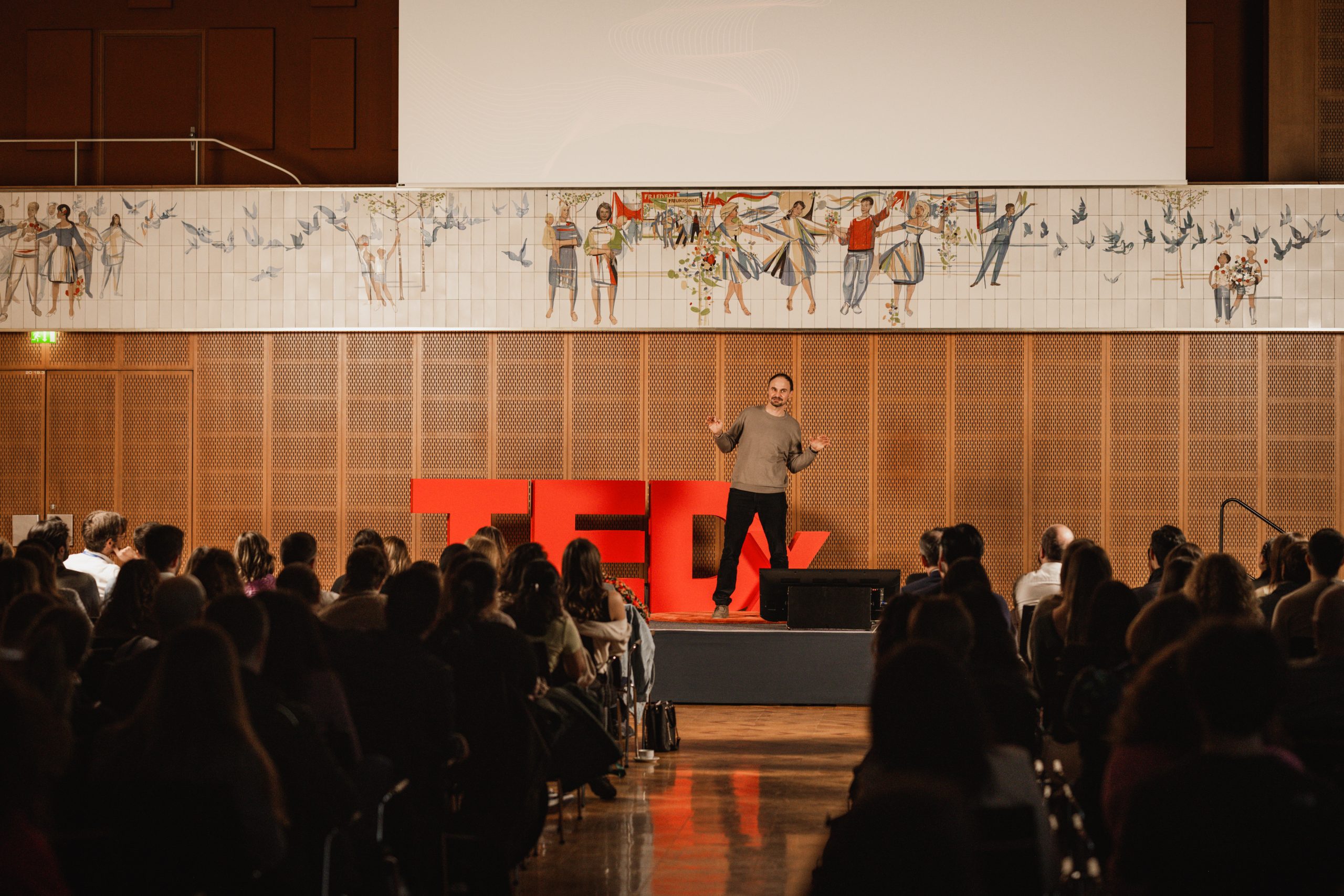
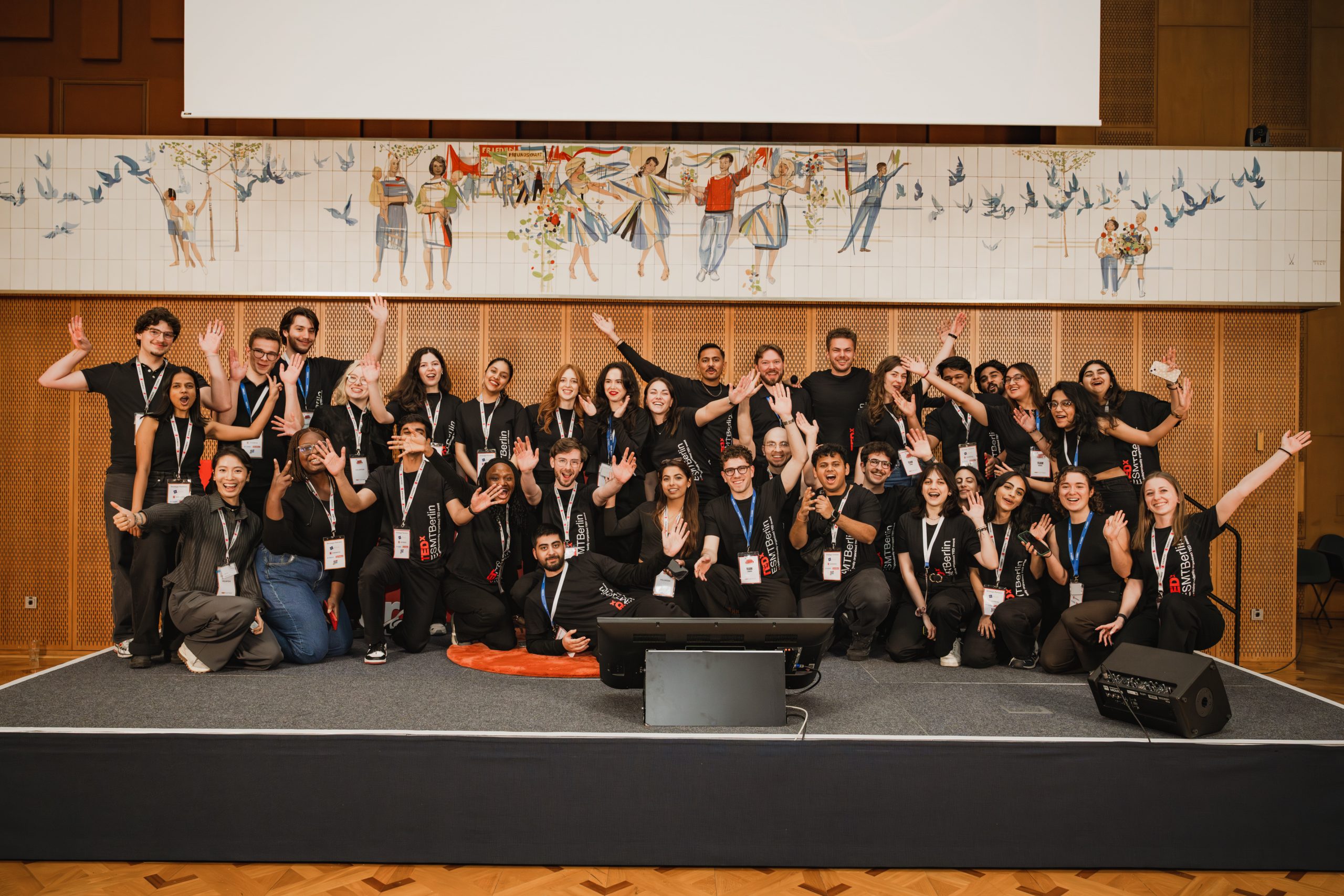
Final notes: If you wondered what it is all about, all these water analogies? Here is the background. This article is a summary of a TEDx talk I gave at ESMT in early 2026, under the theme “Unseen currents – Stories that shape us.”
