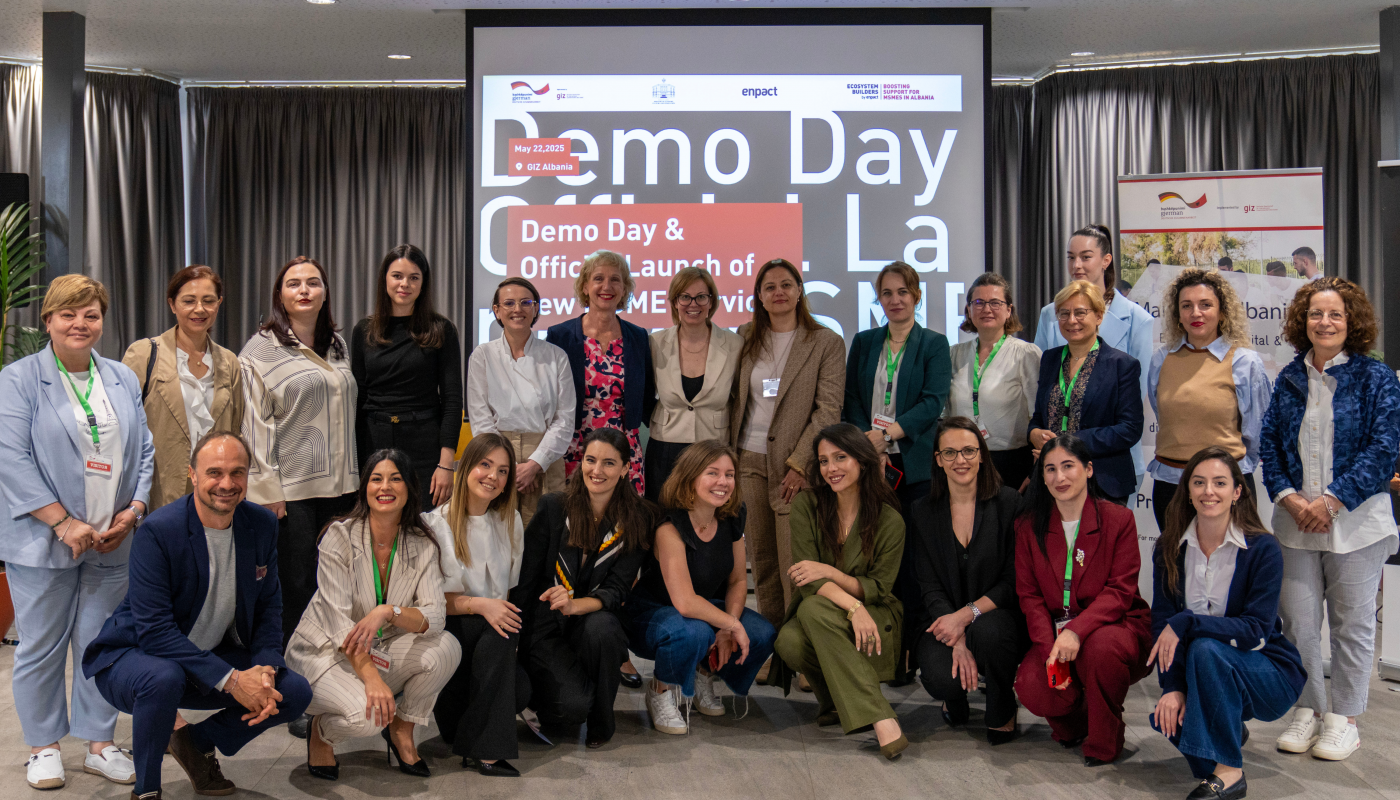
A Deep Dive into Investor Thinking Interview with Ben Wilkening, Earlybird Ventures
Startup pitching is often portrayed as a performance: sharp slides, bold claims, and ambitious financial projections. But according to experienced angel investor and startup advisor Ben Wilkening, the reality is far more nuanced. In an in-depth conversation, he shared what truly captures investor attention, where founders most often go wrong, and what separates good pitches—and good founders—from great ones. The conversation I had with Ben was eye-opening, revealing and very useful. I wish, I would have had it way earlier..
This article brings together the full set of insights from that interview, offering founders a practical and honest look at pitching through an investor’s eyes.

What Makes an Investor Pay Attention Immediately?
When asked what instantly makes him sit up during a pitch, Ben’s answer is clear: passion combined with profound customer understanding.
“Many founders come in with a great idea,” he explains, “but they struggle to articulate the real problem they’re solving.” Technology alone is rarely enough. Investors want to see that the founder truly understands the customer’s pain—often because they have experienced it themselves through previous jobs, research, or industry exposure.
The most compelling pitches show a strong connection between:
- the founder’s background, and
- the problem the startup is addressing.
When both the founder and the technology are clearly aligned with a real-world need, the pitch becomes credible. By contrast, ideas that sound like “Now I have the solution” without sufficient context or validation tend to fall flat.
The Fundamental Mistake Behind Bad Pitches
Reflecting on the worst pitches he has seen, Wilkening notes a recurring misconception: founders believing they have invented something entirely new—when they haven’t.
“They think they’ve invented sliced bread,” he says, describing pitches that ignore existing solutions or competitors altogether.
A common example is the so-called Swiss Army knife for SMEs: a startup claiming to solve all problems for all small businesses with one product. In reality, this lack of focus raises red flags. If a solution is meant for everyone, it often resonates with no one.
The underlying issue is not ambition, but lack of prioritization. Investors are far more likely to back a startup that solves one specific problem exceptionally well than one that promises to fix everything at once.
A Pitch Cheat Sheet: The Essential Do’s and Don’ts
If founders had only a few minutes to prepare before pitching, what should they focus on?
The Do’s
1. Clearly define your customer and problem
Founders should be able to answer concrete questions:
- Who exactly is the customer?
- What problem are they experiencing?
- Has anyone already paid for this solution?
Vague descriptions are not enough. Specificity signals real market engagement.
2. Differentiate clearly from competitors
Many founders underestimate the importance of differentiation. Investors want to understand why this solution is better, faster, cheaper, or more effective than existing alternatives—and why that advantage is defensible.
3. Anchor innovation in something familiar
Even highly innovative ideas become easier to grasp when they are connected to known concepts. Wilkening recalls a strong pitch from a language-learning founder who referenced existing platforms like Babbel and Duolingo — but then clearly explained how their product addressed a target group those platforms did not serve.
This kind of framing helps investors quickly understand where the innovation sits.
The Don’ts
1. Avoid overly global or vague claims
Statements like “everyone is our customer” or “this works across all industries” usually signal a lack of focus. Investors want clarity, not generalities.
2. Don’t oversimplify for the sake of brevity
While many pitch guides emphasize short presentations, Wilkening cautions against being superficial. A short pitch that lacks depth can be more damaging than a slightly longer one that demonstrates real understanding.
Storytelling vs. Numbers: Finding the Right Balance
One of the most common questions founders ask is how much storytelling matters compared to hard data. Wilkening’s answer is unequivocal: always start with a story.
A pitch should first answer:
- Why does this company exist?
- Why is this founder uniquely positioned to build it?
- Why should an investor care?
Numbers are essential, but they come second. Their role is to support the narrative, not replace it.
Among all metrics, two stand out as especially important:
- Traction: evidence that customers want the product
- Unit economics: proof that each sale makes economic sense
Investors want to understand why every additional customer creates value — and how customer acquisition costs are justified. In contrast, highly detailed three-year financial models are often speculative at early stages and carry far less weight.
Humor, Risk, and Memorable Pitch Moments
While sitting together with Ben, I asked him about memorable or funny pitch moments. It struck me when he said that humor can be powerful—but risky.
He points to examples such as the well-known “Berlin pitch” format by the Pitch Doc Christoph Sollich, which demonstrates how humor can be used effectively. However, humor cannot compensate for a lack of substance. “You can’t cover something that isn’t there,” he cautions.
A pitch may be entertaining, but it must still convey a clear, powerful message. When humor enhances clarity, it works. When it distracts from gaps in logic or validation, it backfires.
Building Trust in the First Few Minutes
I also found Ben’s answers on trust very revealing. Trust is often formed within minutes — sometimes before the pitch even properly begins.
Ben emphasizes the importance of authenticity. Founders should be themselves, not advertisers. Establishing a personal connection matters, and that starts with honest communication.
Effective trust-building behaviors include:
- being humble rather than overconfident
- showing curiosity
- acknowledging uncertainties or weaknesses
Interestingly, asking investors what they are looking for can be a powerful signal of maturity. It shows openness and a willingness to learn — qualities investors value highly at early stages.
Lessons from Missed Investments
Like most experienced investors, Wilkening has passed on startups he later regretted. One such experience dates back to the dot-com boom, when hype often overshadowed fundamentals.
The startup in question came with enormous valuation expectations and impressive advisors — including a major consulting firm that had built an elaborate spreadsheet model. But when Wilkening asked for basic indicators such as real users and costs, the answers were unconvincing.
The lesson stayed with him: skepticism is healthy, especially when hype exceeds evidence. Strong advisors and polished materials are no substitute for real traction and transparency.
The Most Misunderstood Part of the Investor–Founder Relationship
Many founders believe that once funding is secured, investor involvement becomes optional. At the same time, some investors assume they can influence decisions without proper structures in place.
Both assumptions lead to friction.
Wilkening argues that founders should take as much advice as possible—even if they ultimately choose not to follow it. Meanwhile, investors need formal mechanisms to contribute effectively.
Best practices include:
- a detailed shareholder agreement, ideally by the seed round
- an active advisory board with clear mandates and responsibilities
Such structures help align expectations and turn the investor–founder relationship into a real partnership rather than a source of tension.
What Separates Good Founders from Great Ones
Finally, Wilkening highlights one quality that is often underestimated: the ability to create hype and FOMO.
This is not about manipulation, but about energy and conviction. Great founders have charisma. They communicate belief so strongly that others want to be part of the journey. They motivate teams, attract supporters, and “move mountains” when resources are scarce.
Calling this a “soft skill” would be misleading. In Wilkening’s experience, it is one of the hardest — and most valuable — capabilities a founder can have.
Final Thoughts
A great pitch is not a performance; it is a conversation grounded in clarity, authenticity, and focus. Founders who understand their customers deeply, tell a compelling story, and back it up with meaningful metrics stand out — not because they promise everything, but because they know exactly what they are building and why.
